

Mosaic Maintenance Project for the Roman Domus Mosaics in El Jem | Italy-Tunisia Collaboration
In April 2024, the Parco archeologico del Colosseo signed with the National Institute of Heritage of Tunis (INP) and the Agency for the Valorisation of Heritage and Cultural Heritage (AMVPPC) a partnership agreement between the Flavian Amphitheatre of Rome and the amphitheatre of El Jem (Memorandum of Understanding no. 3 of 29.04.2024) with the aim of collaborating in conducting archaeological excavations and restoration work on the site of ancient Thysdrus, mainly concerning the large amphitheatre, the small amphitheatre, the circus, the Roman houses and the mosaic decorations. The Memorandum of Understanding also provides for the improvement of reception capacities, the activation of exchanges of experiences and good practices in the cultural field, with a focus on conservation, enhancement and accessibility.
The memorandum is part of the programme of activities envisaged by the Piano Mattei for Africa and the wider Mediterranean, which African governments see as a factor for development and attracting tourists, asking Italy to cooperate in this sector, where it has excellent technical expertise. The requests mainly concern the conservation and enhancement of archaeological heritage. The Ministry of Culture has responded concretely to this request, and in particular the Parco archeologico del Colosseo, the Ministry’s general management office, has made its resources available, by puting in connection the Colosseum in Rome with the Colosseum of Africa, as the great amphitheatre of Thysdrus (El Jem) is known, also offering its cooperation to improve the conservation of archaeological heritage, to improve the quality of tourist itineraries, and to ensure effective accessibility.
The Great Amphitheatre and the Roman Domus with their mosaics – known the world over – are the hallmark of the ancient city of Thysdrus, a small but flourishing city located some forty kilometres from the coast towards the interior of Tunisia, in the central area of the Sahel.
The cooperation commitments of the Parco archeologico del Colosseo contained in the Memorandum of Understanding are addressed to the Amphitheatre and the Roman Domus with their mosaics.
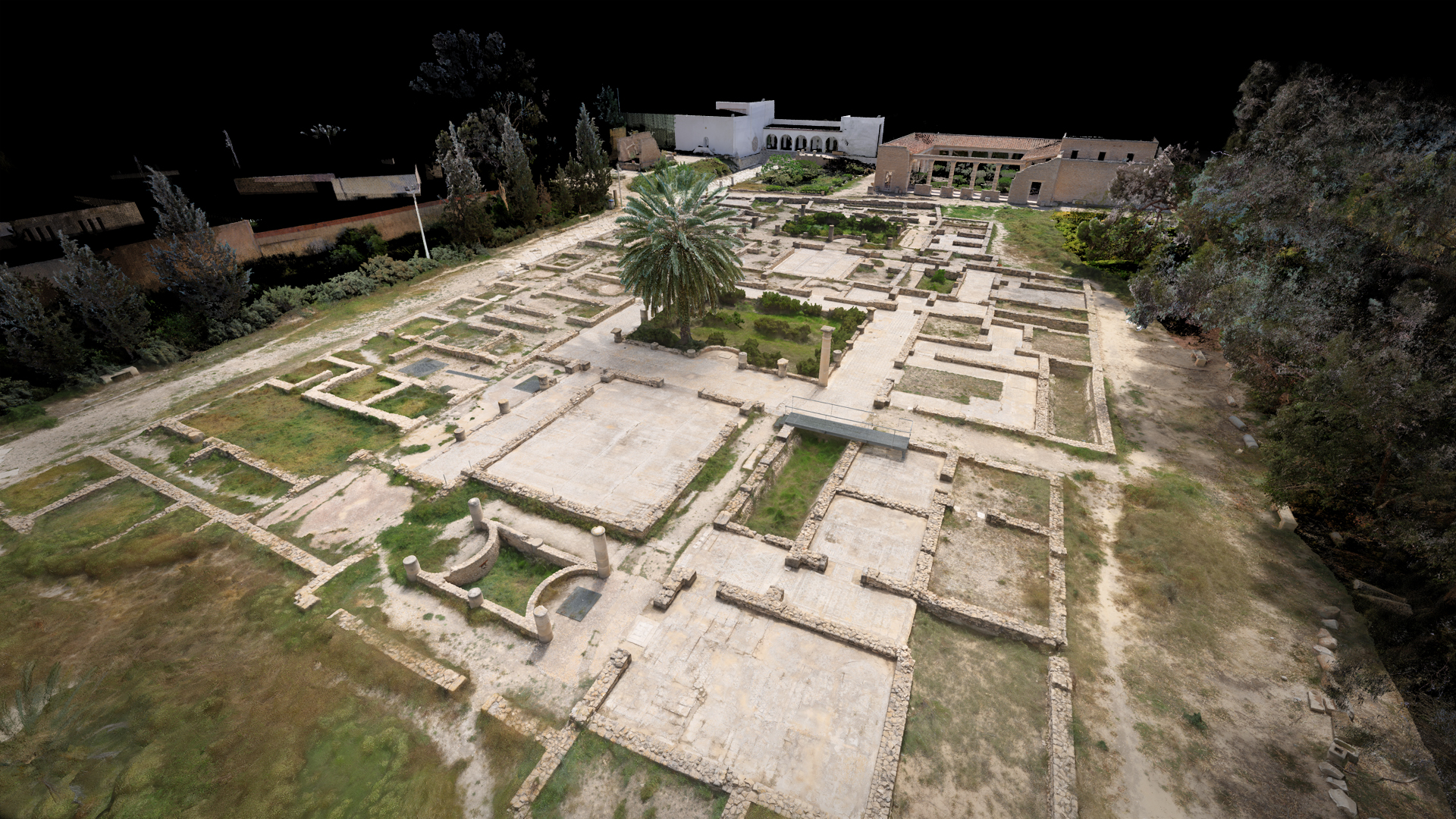
Fig. 1 El Jem. The archaeological area of the Museum and of the Roman Domus (Arch. Pietro Gasparri – C.P.T. Studio srl).
-
Mission launch - April 2025
The mission started in April 2025, with the preliminary phase of 3D laser scanning surveys of the areas subject to intervention, in order to gather a functional documentary basis both for the designs and for the production of video content and reconstructions useful for the enhancement and promotion of the site. The survey activities lasted in situ for about ten days: during the entire period, the team of Pietro Gasparri (CPT Studio), appointed by the Parco, topographically surveyed and georeferenced the entire archaeological area, in great synergy with the local staff and in particular with Anis HAJLAOUI, inspector general, and Rachid HAMDI, archaeologist.
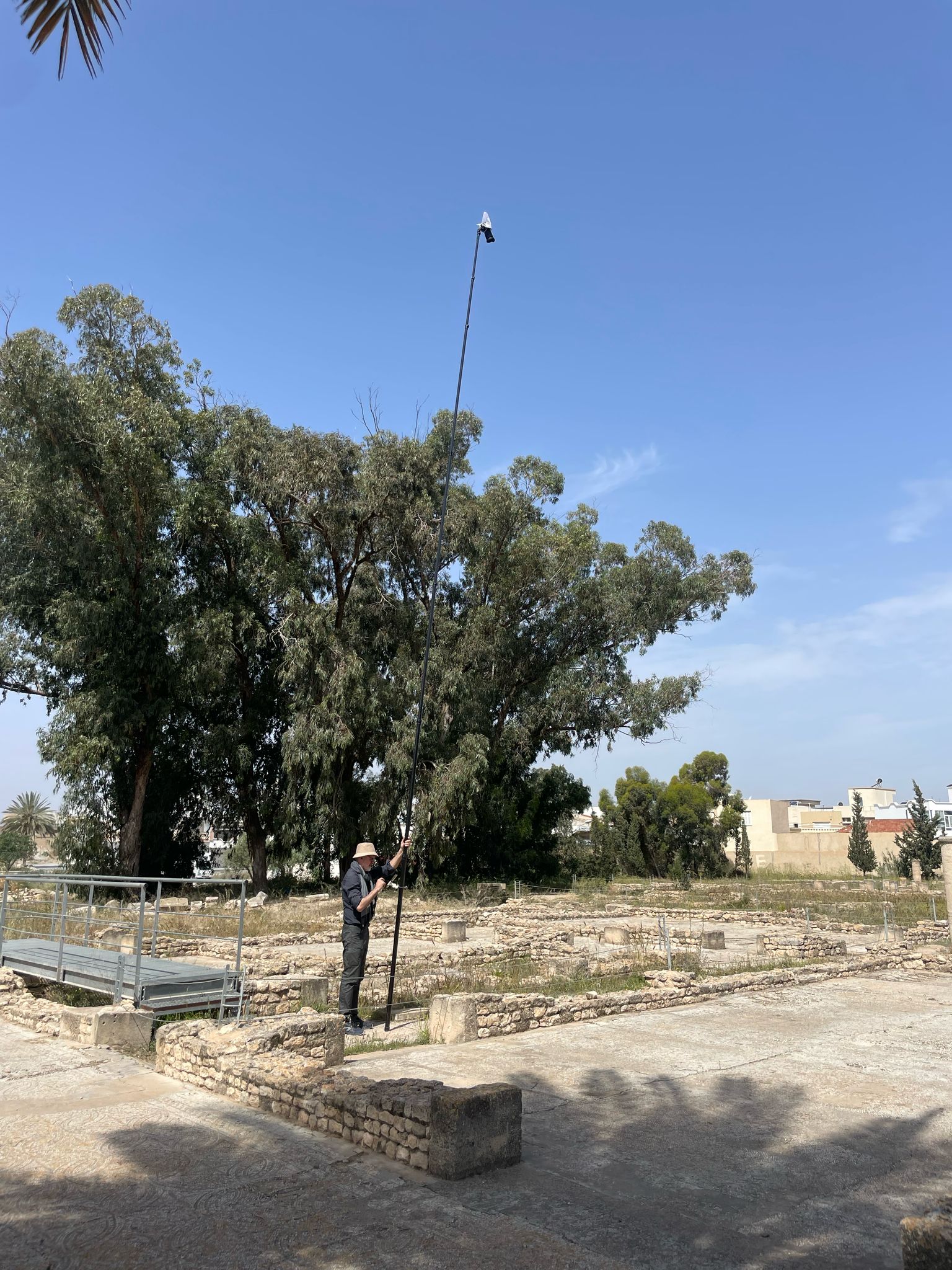
Fig. 2 El Jem. Topographical survey activities (arch. Pietro Gasparri – C.P.T. Studio srl)
In the same days, similar and fundamental topographical surveys were carried out inside the great amphitheatre, in particular inside archway 61 of the great thisdritan arena, identified jointly with Tunisian institutions to verify the technical and economic feasibility of a lift capable of improving the monument’s accessibility.
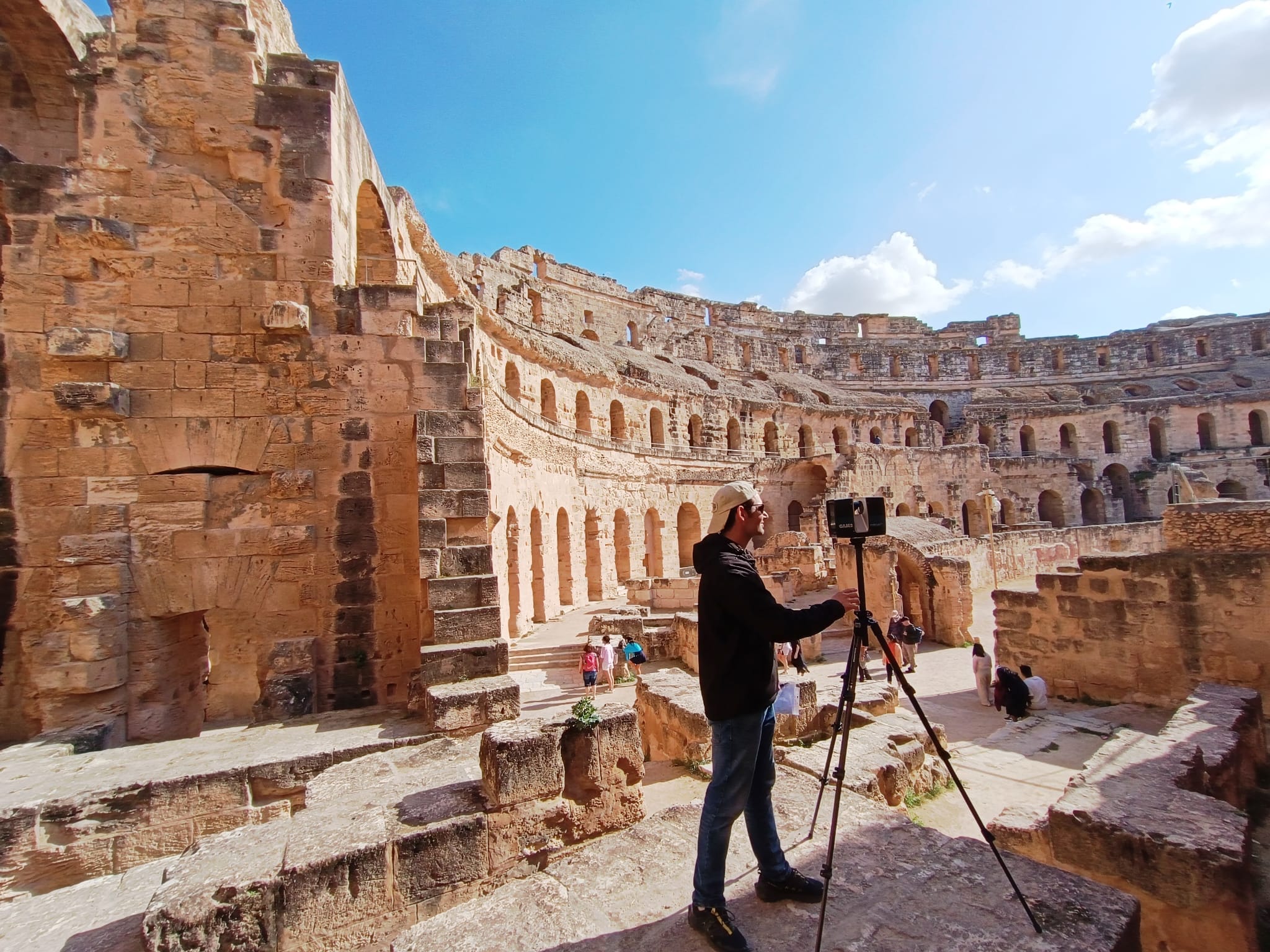
Fig. 3 El Jem. Survey activities inside the amphitheatre (Arch. Pietro Gasparri – C.P.T. Studio srl)
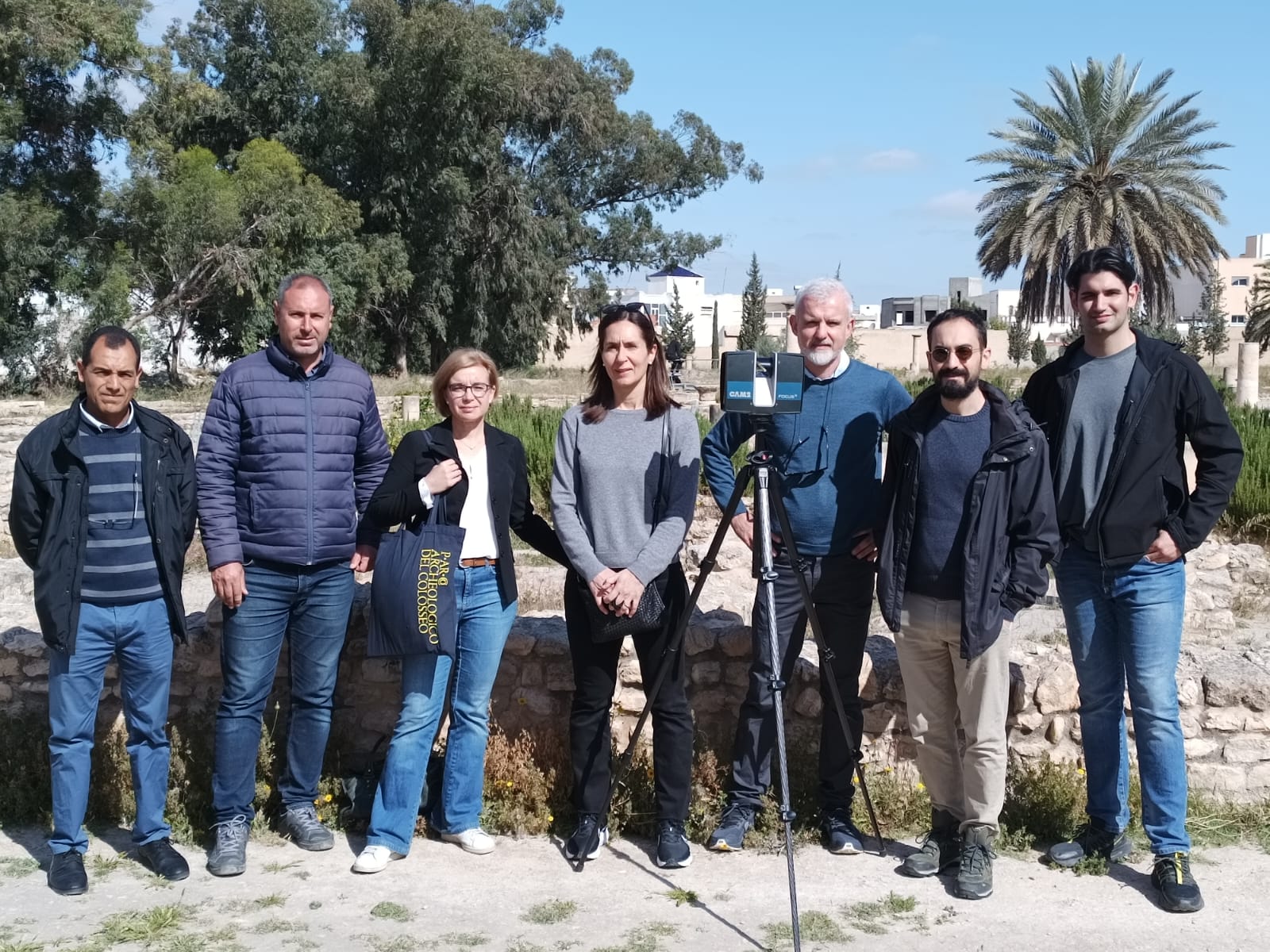
Fig. 4 El Jem. The delegation of the Colosseum Archaeological Park and the INP at the end of the topographic survey campaign
-
Second phase of the mission - June 2025
In June 2025 the Parco archeologico del Colosseo started the second phase of activities, entrusting C.S.R. Restauri di Riccardo Mancinelli, specialised in mosaic restoration, with the more extensive work on the mosaic floors of the Roman Domus, with the support and collaboration of local technical staff.
The interventions concern the conservation and maintenance of the mosaics on the archaeological site. These interventions are articulated in a cycle that foresees the presence of 4 restorers for the entire duration of the works, quantified in 30 days, and is designed to include all those activities, both ordinary and extraordinary, necessary for the safety and good conservation of the mosaic surfaces and their constituent and intervention layers, exposed outdoors or inside closed environments open to the public.
The mosaics of El Jem, following a practice not dissimilar to other conservation practices widely adopted since the 1950s, are in fact almost all reassembled, after tearing, on iron nets and reinforced concrete substrates that over the decades, also due to climatic conditions, have swollen and burst, lifting the already fragile mosaic mantle, deprived of its original foundation, and producing the decohesion of the tesserae and thus of the original geometric and figurative designs.
Given the state of conservation of the mosaic floors, a timely ordinary and extraordinary maintenance intervention was planned in order to reduce the advancement of degradation, optimise management and ongoing maintenance, and improve appreciation and readability for the numerous tourists who visit the area every day.
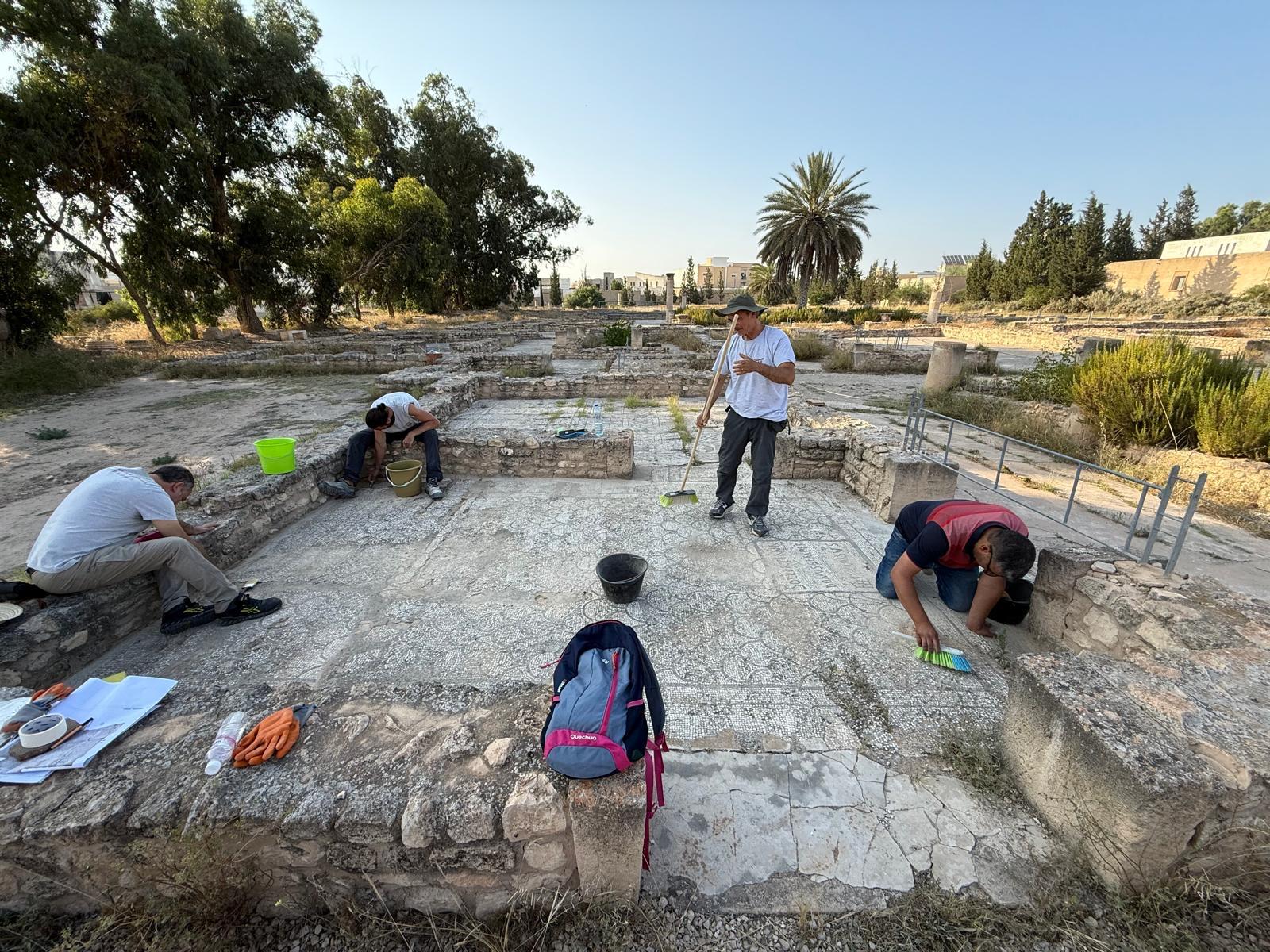
Fig. 5 El Jem. Start of maintenance activities with the removal of all inconsistent deposits (leaves, soil, ant nests) (C.S.R. Restauri di Riccardo Mancinelli)
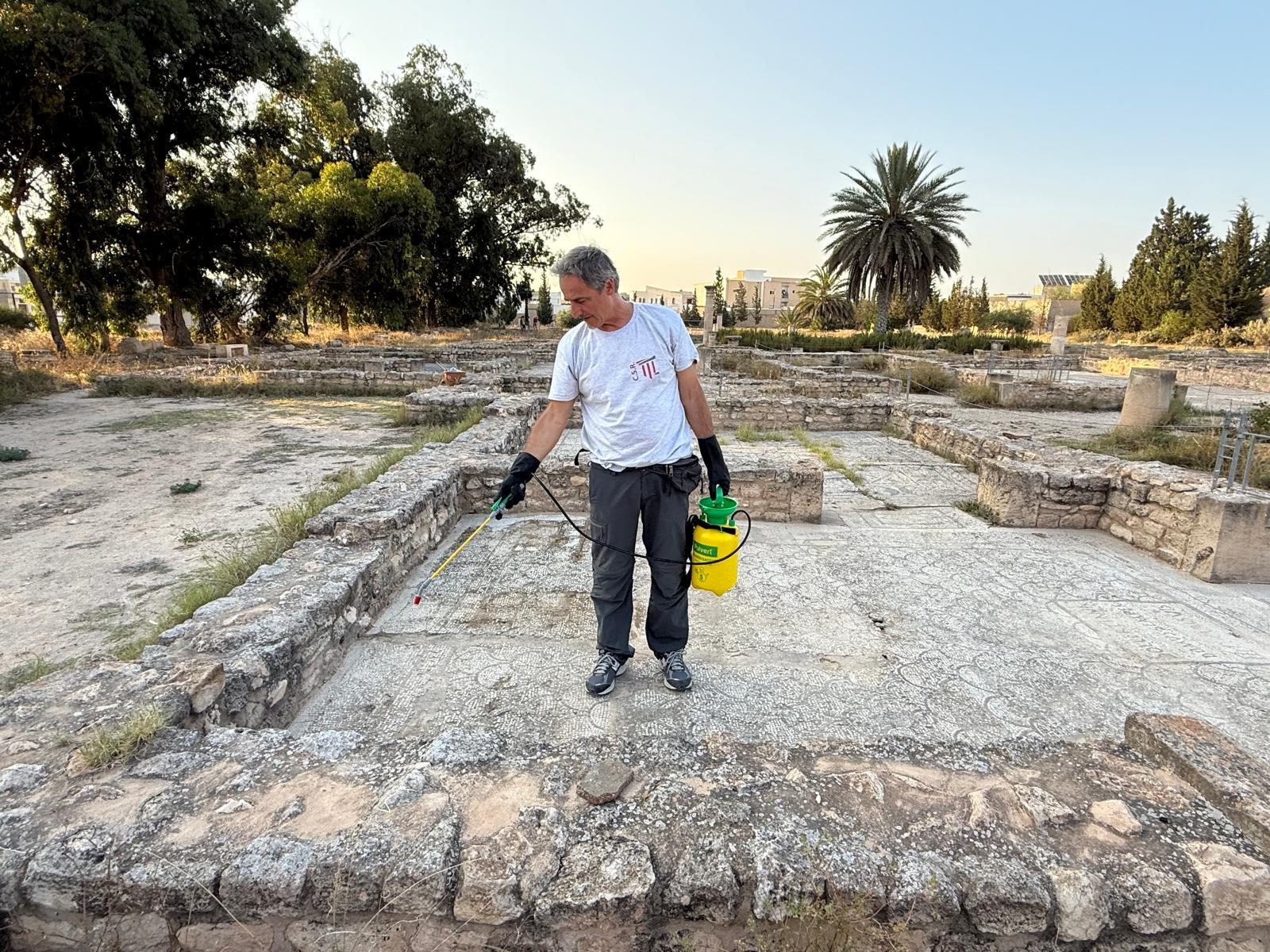
Fig. 6 El Jem. Removal of infesting vegetation inside the mosaic rooms with application of biocide products (C.S.R. Restauri di Riccardo Mancinelli)
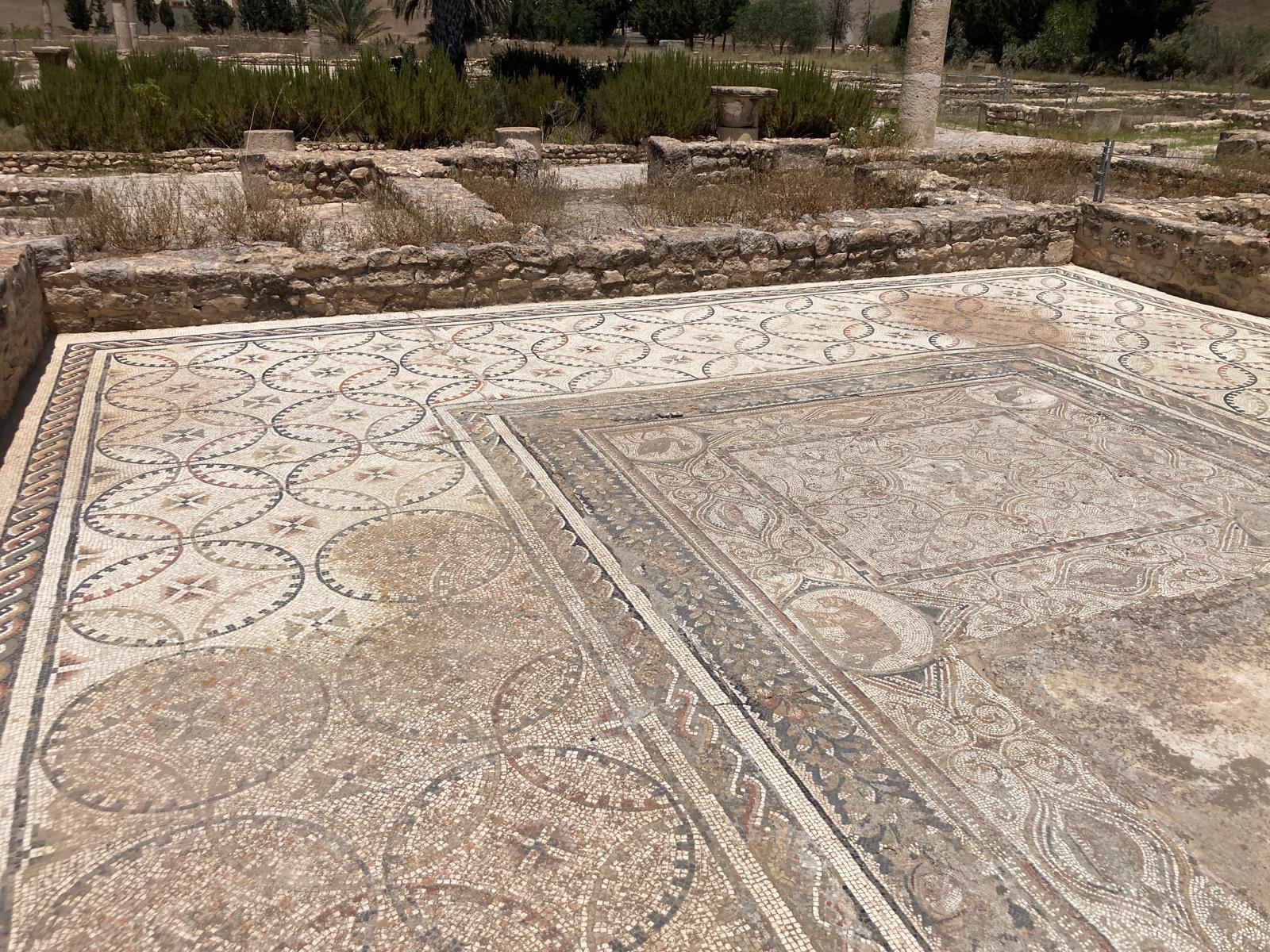
Fig. 7 El Jem. Mosaic of the Sollertiana Domus
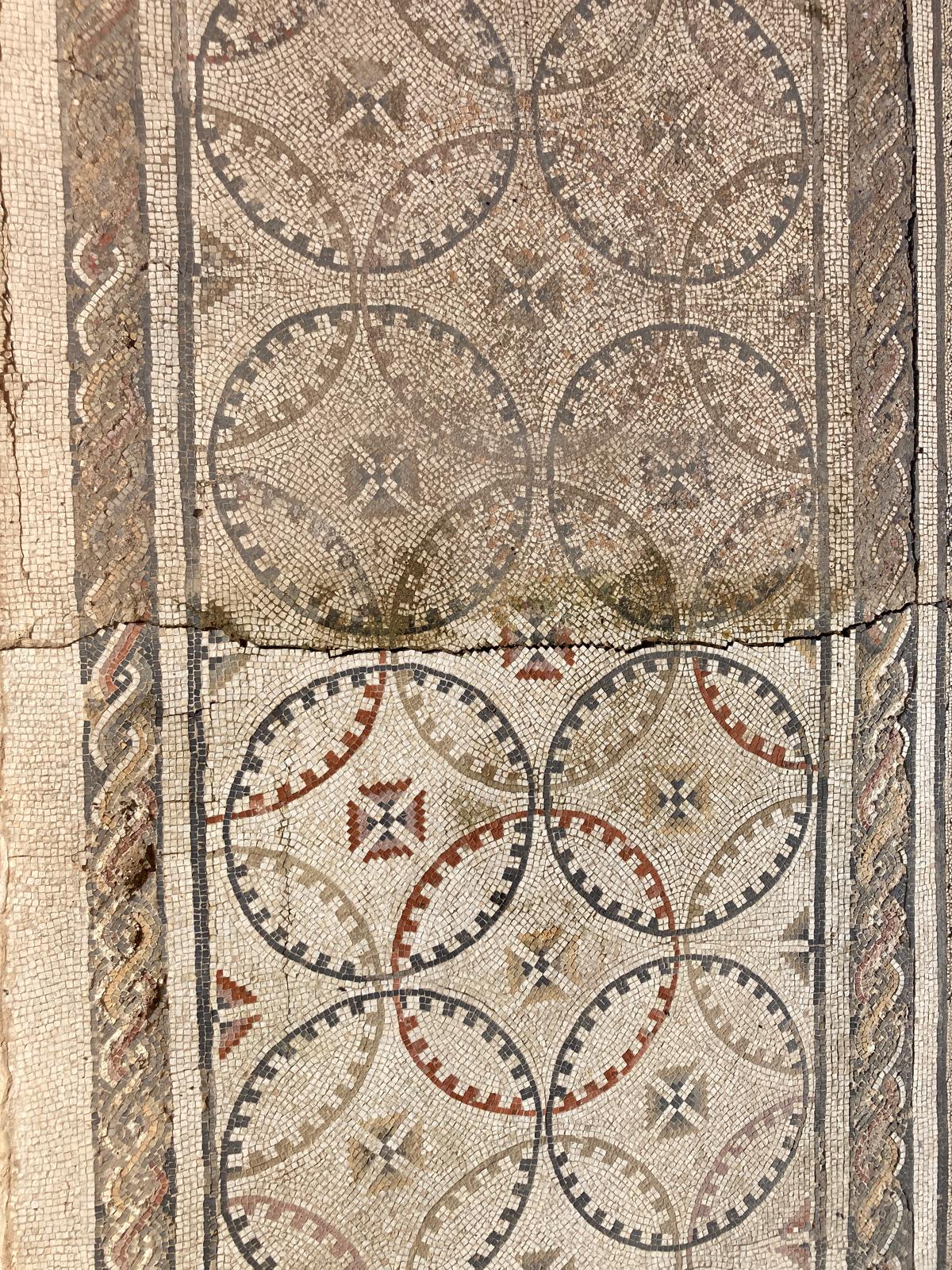
Fig. 8 El Jem. Sollertiana Domus, before and after restoration (C.S.R. Restauri di Riccardo Mancinelli)